Marble and granite: key differences and construction uses
Marble and granite are two natural stones widely used in construction and design. Each has unique characteristics that make them suitable for different applications. Knowing their properties and differences is critical to making informed decisions when choosing materials for architectural and decorative projects. A detailed analysis will help to understand their advantages and disadvantages.
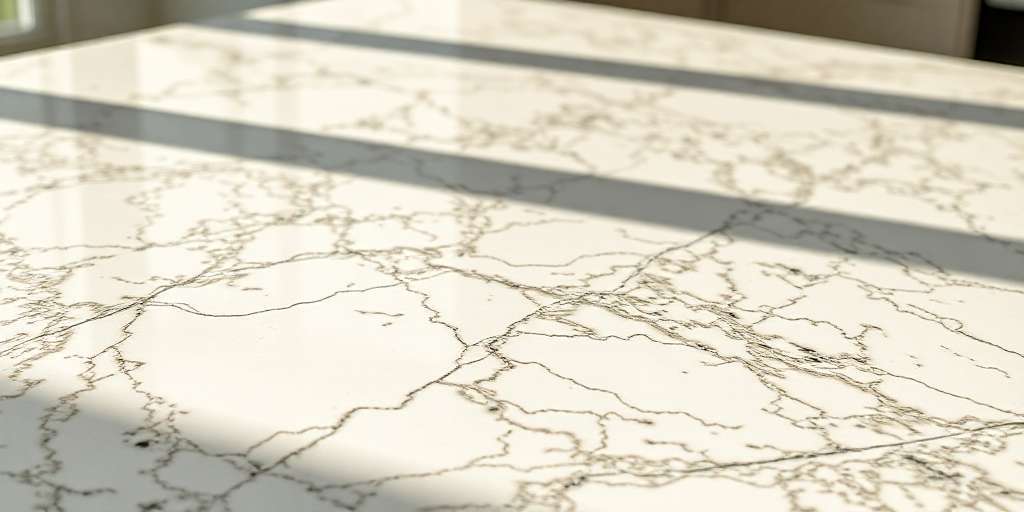
Definition and characteristics of marble and granite
Marble and granite are two types of natural stone that are highly valued in architecture and design. Each has unique characteristics that make them suitable for a variety of applications.
What is marble?
Marble is formed from the metamorphosis of limestone under high pressures and temperatures. This process creates a stone characterized by its beauty and veining. Its shades vary considerably, allowing for a wide range of aesthetic options. It is known for its usability in sculptures and elegant surfaces.
What is granite?
Granite is an igneous rock that arises from the slow cooling of magma. It is composed mainly of quartz, feldspar and mica, which gives it a granular texture and great resistance. This material stands out for its durability, being ideal for areas of high traffic and wear.
Natural stone: characteristics and formation
Both marble and granite are considered natural stones, which are formed through specific geological processes. Some of their characteristics are described below:
- Porosity: Marble is more porous than granite, which may influence its resistance to stains.
- Hardness: Granite is harder and more resistant to abrasion, ideal for countertops and flooring.
- Appearance: Marble tends to have a smoother veining, while granite has a more grainy texture.
Differences between marble and granite
The differences between marble and granite are critical in determining their use in different applications. Each material has unique characteristics that affect your choice.
Hardness and strength
One of the most notable differences between these stones is their hardness. Granite, being an igneous rock, has superior strength compared to marble, which is metamorphic. This hardness makes granite more suitable for high traffic environments.
- Granite: More resistant to shocks, scratches and thermally stable.
- Marble: More susceptible to damage, especially in areas with high abrasiveness.
Aesthetics and finish
In terms of aesthetics, both materials offer distinct visual aspects. Marble is appreciated for its smooth veining and varied colors, adding a touch of elegance. On the other hand, granite is known for its grainy texture and more uniform tones.
- Marble: Attractive natural veining and elegance.
- Granite: Rough texture and natural 'freckled' appearance.
Durability and maintenance
Durability also makes a significant difference. While marble tends to wear more quickly, granite requires less maintenance due to its lower porosity. This means that marble needs more intensive care, including regular cleaning and specific treatments.
- Marble: It needs frequent polishing and avoid acid products.
- Granite: Less maintenance, requires sealing every two years.
Uses and applications of marble and granite
Natural materials such as marble and granite are versatile and are used in a variety of applications in both residential and commercial settings.
Kitchen and bathroom countertops
The durability and aesthetics of these stones make them popular choices for countertops. Marble countertops add a touch of elegance, ideal for bathrooms and kitchens looking for a sophisticated finish. Granite, meanwhile, is prized for its stain and heat resistance, making it perfect for high-activity areas.
Coatings and pavements
Marble is frequently used for wall coverings, providing a luxurious finish in spaces such as living rooms and hallways. As for granite, its solidity makes it suitable for flooring, being chosen for areas with heavy traffic, both in homes and businesses.
Interior design applications
Both materials excel in interior design, whether in the creation of furniture, tables or even decorative sculptures. Each piece, unique in its veining and texture, adds character to any environment. Marble is used in architectural details, while granite is ideal for elements that require long-term strength and durability.
Maintenance and care
Proper maintenance of marble and granite surfaces is essential to preserve their beauty and functionality over time. Proper care prevents damage and ensures that these materials remain in optimal condition.
Marble care
Marble, due to its porous nature, requires special attention to avoid wear and tear. It is advisable to follow these tips:
- Use mild cleaners specifically designed for marble.
- Avoid acidic products, such as vinegar or citrus, which can damage the surface.
- Perform regular polishing to maintain its shine and appearance.
- Seal the surface every year to protect it from stains and moisture.
Granite care
Granite, although more resistant, also needs care to prolong its useful life:
- Cleaning with neutral detergents and warm water.
- Avoid abrasive cleaners that may scratch the surface.
- Apply a sealant every two years to prevent liquid penetration.
- Disinfect the surface with non-corrosive products to maintain hygiene.
Prevention of stains and scratches
Preventing damage is fundamental in the maintenance of marble and granite. Some practical tips can be followed:
- Use tablecloths or cutting boards on countertops to avoid scratches.
- Clean up spills immediately to avoid absorption of liquids into the marble.
- Use soft pads to move heavy objects and avoid marks.
- Use high quality sealers that reduce porosity.
Economic considerations
The costs associated with marble and granite vary considerably depending on several factors. It is essential to consider these aspects to better understand the investment required for each material.
Marble and granite price
Marble generally has a higher price than granite. This is due to its scarcity and the more laborious process required for its extraction and polishing. The cost can also vary depending on the color and quality of the stone selected. Granite, on the other hand, is usually more accessible and sometimes more abundant, which can make it more competitively priced.
Factors affecting cost
- Material quality: Marble and granite types vary in characteristics and appearance, influencing the final price.
- Location of extraction: The provenance of the stone impacts transportation costs and availability.
- Additional treatments: The polishing, sealing and care processes of these materials can increase the total investment.
- Installation: Installation fees should also be considered, as their complexity may vary the final cost.
Value for money
Evaluating value for money is crucial before choosing a material. Marble provides a luxurious aesthetic, while granite is valued for its strength and low maintenance. Depending on the specific needs of the project, one option may be more advantageous than the other in the long run. Thus, it is important to weigh these variables in budget planning.
Marble and granite machines and tools
Working with marble and granite requires specific machinery and adequate tools to guarantee quality results. These machines facilitate the cutting, polishing and finishing of these natural stones, optimizing the design and construction process.
Second hand marble and granite cutting machines
Cutting machines are essential in the treatment of these stones. Several options are available on the market, including second-hand machines that offer performance at a lower cost. Among the most common are:
- Diamond wire saws, ideal for precise and clean cuts.
- Band saws, used for cutting large blocks.
- Water jet cutting machines, which allow cutting without heat generation.
Tools for working with natural stones
In addition to the machines, there are manual tools that complement the work process. Some of the most commonly used are:
- Diamond discs, which are used for cutting and polishing.
- Milling machines with interchangeable heads, allowing specific finishes.
- Hammers and chisels, useful for sculpting and detailing works.
Innovations and technological developments
The natural stone industry has experienced significant advances in technology. Recent innovations include:
- Automated systems that optimize cutting and reduce waste.
- Tools with IoT connectivity, allowing constant monitoring of the operation.
- Developments in cutting materials, increasing efficiency and tool life.